All About Taj Mahal in English
The Taj Mahal, an architectural marvel and UNESCO World Heritage Site, stands as a testament to eternal love and artistic brilliance. Constructed in the 17th century by Mughal Emperor Shah Jahan in memory of his beloved wife, Mumtaz Mahal, this iconic mausoleum is renowned for its exquisite beauty and intricate craftsmanship. With its gleaming white marble façade, serene gardens, and majestic minarets, the Taj Mahal attracts millions of visitors from around the world, eager to witness its grandeur and hear the stories woven into its very foundation. This article delves into the rich history, architectural features, cultural significance, and preservation efforts surrounding this extraordinary monument, providing a comprehensive look at one of the most celebrated landmarks in the world.
Introduction to the Taj Mahal
Overview of the Monument
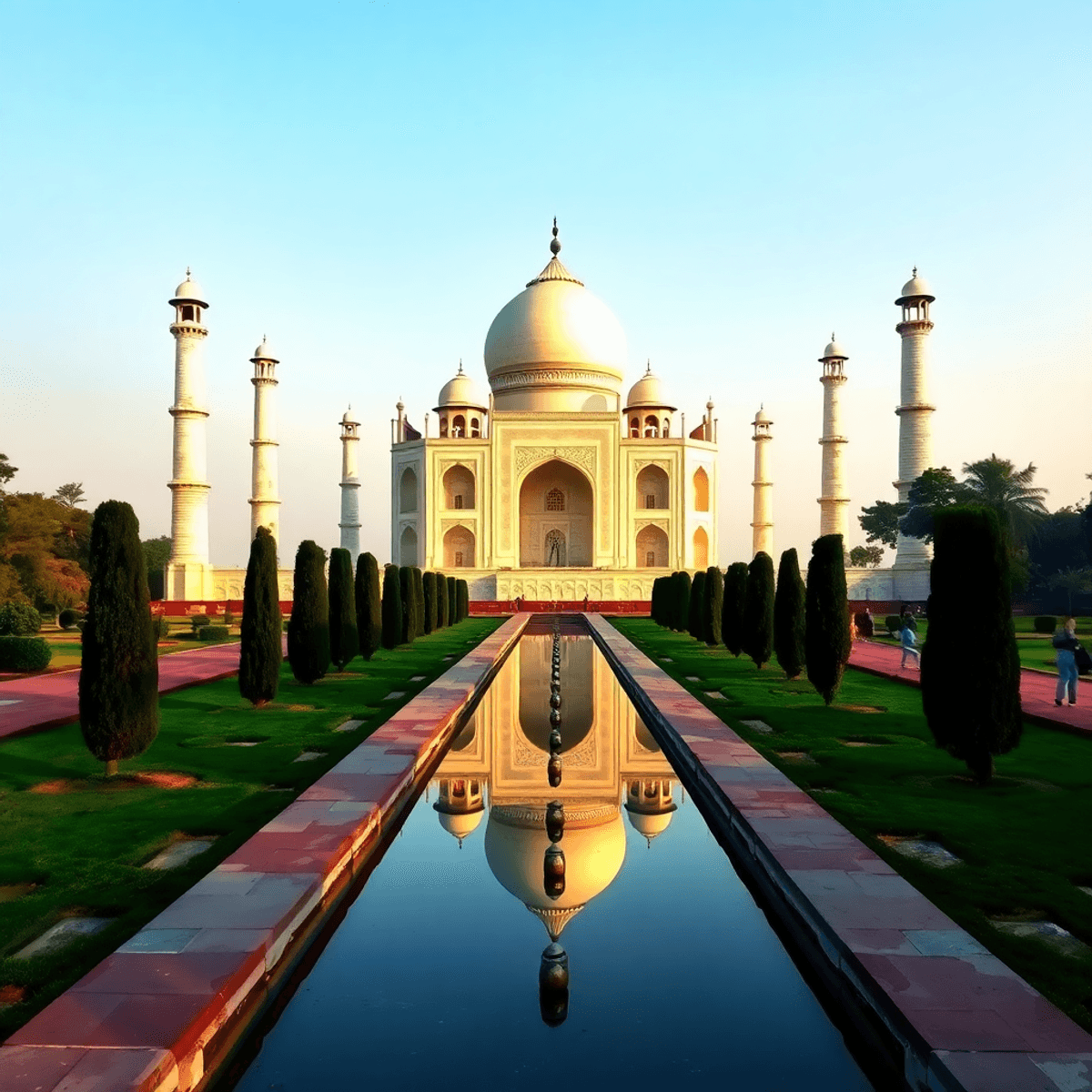
The Taj Mahal, often described as the crown jewel of India, is a stunning white marble mausoleum located in Agra. Built between 1632 and 1648, this UNESCO World Heritage site is renowned for its breathtaking beauty and intricate craftsmanship. Shimmering under the sun, the Taj Mahal gracefully reflects the changing hues of the sky, making it a photographer’s dream and a romantic’s paradise.
Symbolism of the Taj Mahal
More than just a pretty building, the Taj Mahal stands as a symbol of eternal love. Commissioned by Mughal Emperor Shah Jahan in memory of his beloved wife, Mumtaz Mahal, it’s a testament to devotion that has transcended centuries. The monument embodies the idea that love can inspire monumental achievements—literally!
Historical Background
Construction Timeline
Construction of the Taj Mahal kicked off in 1632, and it took about 16 years to complete. By 1648, the main mausoleum was finished, while the surrounding gardens and buildings took a few more years to finalize. So, if you thought your home renovation was taking too long, let’s just say Shah Jahan had you beat!
Key Figures Involved
The brains behind this grand project included Ustad Ahmad Lahori, the chief architect, who surely must have had dreams of grandeur. And let’s not forget Shah Jahan himself, who not only had the vision but also the wallet (even though it got a little lighter in the process!).
Historical Context
The Taj Mahal was built during the zenith of the Mughal Empire, a time when art and culture flourished in India. It reflects the empire’s wealth, power, and artistic achievements. However, it also emerged from a period marked by personal tragedy for Shah Jahan, making it a poignant symbol of love and loss.
Architectural Features
Design and Layout
The Taj Mahal showcases a perfect blend of Persian, Islamic, and Indian architectural styles. Its symmetrical design features a central dome flanked by four smaller domes, and the lush gardens are laid out in a classic Persian style, complete with reflecting pools that make you feel like you’ve stepped into a fairy tale.
Materials Used
Built primarily of white marble, the Taj Mahal gleams with an ethereal brightness. But it’s not just a one-material wonder; over 28 different types of precious and semi-precious stones were used for inlay work. Think of it as nature’s bling, adorning an already stunning structure.
Artistic Elements and Inscriptions
The intricate carvings and designs are where the Taj Mahal truly dazzles. You’ll find verses from the Quran etched into the marble, showcasing the artistry and spirituality that went into its creation. The detailed floral motifs and the exquisite pietra dura (stone inlay) work make it a visual feast that keeps drawing you back for more.
Cultural Significance
Symbol of Love
If there was an award for the most romantic building in the world, the Taj Mahal would undoubtedly take home the gold. Its very foundation is rooted in the all-consuming love between Shah Jahan and Mumtaz Mahal, making it a pilgrimage site for couples and romantics alike.
Role in Indian Heritage
The Taj Mahal is not just an architectural marvel; it’s a cornerstone of Indian heritage. Celebrated in literature, films, and countless love stories, it reflects the rich cultural tapestry of India and serves as a symbol of national pride.
Impact on Art and Architecture
The Taj Mahal has had a profound influence on architecture, inspiring countless structures around the world. Its design elements have been replicated and reimagined, showcasing the enduring legacy of Mughal architecture and its fusion of various artistic styles. It’s like the ultimate influencer—changing the game for centuries to come!
Visiting the Taj Mahal
Best Time to Visit
If you’re planning a rendezvous with the Taj Mahal, aim for the cooler months between October and March. This is when Agra’s weather decides to behave, serving up pleasant temperatures perfect for gazing at this marble marvel. Plus, the early morning or late afternoon light gives the Taj a magical glow, perfect for those Instagram shots that’ll have your friends questioning if you really were in India.
Visitor Guidelines
Before you don your best tourist hat, here are a few guidelines. First off, the Taj Mahal opens bright and early at 6 AM, so don’t sleep in—unless you want to battle the crowds. Tickets can be purchased online, which is highly recommended to avoid long lines, unless you enjoy standing around like a statue yourself. Dress modestly, because while the Taj is picture-perfect, it also has some standards. Lastly, no food or drink is allowed inside—sorry, snack fiends!
Nearby Attractions
Once you’ve soaked in the splendor of the Taj, there are plenty of other sights to keep you busy. Head over to the Agra Fort, which is a UNESCO World Heritage site and quite impressive in its own right. Don’t miss the Itimad-ud-Daulah’s Tomb, affectionately dubbed the “Baby Taj,” for a taste of similar architectural brilliance, just on a smaller scale. And if you’re feeling adventurous, take a quick jaunt to Fatehpur Sikri, a former Mughal city with a history that could rival a soap opera!
Preservation Efforts
Current Condition of the Taj Mahal
Despite its stunning beauty, the Taj Mahal isn’t immune to the passage of time (or pollution). While it still dazzles visitors, the monument has shown signs of wear and tear, including discoloration and structural concerns. Thankfully, regular maintenance helps keep it from becoming a crumbling relic of the past. Let’s just say it’s like putting the Taj on an expensive skincare routine—because, hey, even landmarks need a little TLC!
Restoration Projects
Restoration projects are ongoing to preserve the Taj’s marble splendor, ensuring it stands tall for generations to come. Initiatives include cleaning campaigns to tackle the yellowing caused by pollution and humidity. Restorers are meticulously matching materials and methods used centuries ago, giving new meaning to “keeping it real.” It’s a labor of love that involves scientists, artists, and a lot of patience—because, much like a good romance, it takes time to create something beautiful.
Environmental Challenges
The Taj Mahal faces some modern-day challenges, particularly from environmental factors. Air pollution is like that unwanted guest that refuses to leave; it’s affecting the delicate white marble. Other challenges include rising water levels and the impact of tourism. Conservationists are hard at work, developing strategies to mitigate these issues and restore balance. After all, Mother Nature has a way of reminding us that she’s in charge, even if it involves a little bit of drama.
Myths and Legends
Popular Myths Surrounding the Taj Mahal
Ah, the Taj Mahal—home to as many myths and legends as it has visitors! One popular tale suggests that Shah Jahan originally planned to build a black marble mausoleum for himself across the river. But let’s be real, that sounds like an ambitious home décor project gone wrong! Another myth is that the workers had their hands chopped off after the completion to prevent them from creating similar masterpieces. Yikes! Remember, many of these stories serve more as colorful fables than historical fact.
Stories of the Empress and Emperor
The love story of Shah Jahan and Mumtaz Mahal is the stuff of legends. The emperor was said to be so heartbroken by her untimely death during childbirth that he spent the following years lost in grief, ultimately bringing the Taj Mahal to life as a testament to their love. You could say he was a bit of a “lovelorn architect,” channeling his sorrow into stunning marble and intricate designs. Their passionate story adds an extra layer of allure to the monument, making it more than just a pretty building.
Conclusion and Reflection
Legacy of the Taj Mahal
In a world where trends come and go faster than you can say “selfie,” the Taj Mahal remains a timeless symbol of love and artistry. It has inspired countless poets, artists, and hopeless romantics, leaving an indelible mark on culture and history. Its legacy transcends borders, making it a universal emblem of beauty—one that even the most Instagram-savvy traveler can appreciate.
Future of the Monument
As we gaze into the future, the Taj Mahal faces both challenges and opportunities. With ongoing preservation efforts and heightened awareness around environmental concerns, there’s hope that this iconic structure will stand the test of time. So, the next time you find yourself in Agra, remember: the Taj Mahal is more than a monument; it’s a reminder that true love—and magnificent architecture—never goes out of style.In conclusion, the Taj Mahal continues to captivate hearts with its beauty and historical significance, serving as a symbol of love and devotion that transcends time. As both a masterpiece of architecture and a UNESCO World Heritage Site, it reminds us of the rich cultural heritage of India and the enduring legacy of the Mughal Empire. Visiting the Taj Mahal is not just an exploration of a remarkable structure but also a journey into the profound stories and emotions that it embodies. As we look to the future, it is vital to preserve this iconic monument for generations to come, ensuring that its splendor remains a source of inspiration and wonder.
Frequently Asked Questions
What is the best time to visit the Taj Mahal?
The best time to visit the Taj Mahal is during the cooler months from October to March, when the weather is pleasant for sightseeing. Early morning or late afternoon visits also provide beautiful lighting for photography and a more tranquil atmosphere.
Is there an entry fee to visit the Taj Mahal?
Yes, there is an entry fee to visit the Taj Mahal. The fee varies for Indian and foreign tourists, with discounted rates available for children and students. It is advisable to check the latest fees before planning your visit.
Can you enter the Taj Mahal’s mausoleum?
Yes, visitors are allowed to enter the mausoleum, but there are restrictions, and entry may be regulated to maintain the site’s integrity. Inside, you can admire the intricate inlay work and the tombs of Shah Jahan and Mumtaz Mahal.
What measures are in place to preserve the Taj Mahal?
Preservation efforts for the Taj Mahal include ongoing restoration projects, pollution control initiatives, and strict regulations to limit visitor impact. The Archaeological Survey of India actively works to maintain the structure’s integrity and address environmental challenges.